Reading rank 132
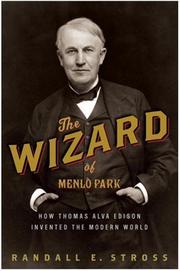
The Wizard of Menlo Park: How Thomas Alva Edison Invented the Modern World
, subject: Biography of Thomas Edison covered in an earlier Founders episode., 2007
Edison's stated wish for independence sits beside his mistaken early idea of what the phonograph was for.
104
Coverage Score
10
Scored evidence
About the book
Stross argues that Edison's greatest invention was his own fame. He follows the phonograph, the incandescent light and the motion picture camera, questions how much credit Edison deserves for work attributed to him, and shows how he cultivated and managed his celebrity.
Why read it
Best if you want an Edison biography that starts from his wish for independence and shows him misjudging an early use of the phonograph.
Key themes
- Autonomy as the starting motive
- A misjudged first use
Evidence and original sources
Sources: official Founders episodes — #3, #33, #50, #83, #185, #190, #267
David recommends reading the book and praises the writing quality.
- The Wizard of Menlo Park: How Thomas Edison Invented the Modern World — David uses the book's Edison framing to highlight entrepreneurial autonomy as a central founder motivation.
- Levi Strauss: The Man Who Gave Blue Jeans to the World — David names the biography and uses its Edison passage to connect entrepreneurial autonomy with the current founder lesson.
- Marc Andreessen's Blog Archive — David confirms he personally read The Wizard of Menlo Park and covered it as Founders No. 3.
- Thomas Edison, Nikola Tesla, George Westinghouse, and the Race to Electrify the World — David references his earlier Founders episode #2, a biography of Thomas Edison titled The Wizard of Menlo Park.
- César Ritz and Auguste Escoffier (The Hotelier and The Chef) — David compares Edison's stated desire for entrepreneurial independence, drawn from this biography's opening pages, to Ritz's own desire for independence.
- Henry Ford and Thomas Edison — David names The Wizard of Menlo Park, ties it to Founders No. 3, and recalls its account of Edison's mistaken early use case for the phonograph.