Reading rank 429
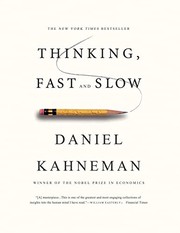
Thinking, Fast and Slow
, subject: Intuitive and deliberate judgment, cognitive bias, and decision-making, 2011
Intuition is fast and efficient, yet its failures, though infrequent, can be severe, and many human mistakes in judgment are predictable.
6
Coverage Score
2
Scored evidence
About the book
A synthesis of research on two modes of thought, cognitive biases, risk, overconfidence, and practical decision-making.
Why read it
Best if you make investing, management, or strategic decisions and want to understand where fast intuition fails and which mistakes you can anticipate.
Key themes
- Fast intuition, rare but severe failures
- Mistakes that can be predicted
Evidence and original sources
Sources: official Founders episodes — #70, #246
This record is supported by 3 public evidence rows linked to original Founders episodes.
- Mark Spitznagel: The Dao of Capital — David explicitly connects The Dao of Capital's account of predictable human mistakes to Kahneman's work in Thinking, Fast and Slow, using it to frame failures in strategic thinking and decision-making.
- Mark Leonard's Shareholder Letters — David reads Leonard's explanation that Kahneman's book sharpened his view of intuitive judgment, its speed and efficiency, and its infrequent but severe failures in investing and management.