Reading rank 373
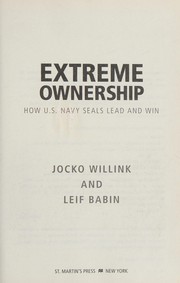
Extreme Ownership: How U.S. Navy SEALs Lead and Win
, subject: Leadership and taking responsibility, 2015
Extreme Ownership argues that leaders should own their team's failures, then make their intent clear enough that the team can act without constant direction.
34
Coverage Score
5
Scored evidence
About the book
Combat narratives introduce principles including Extreme Ownership, decentralized command, and the leader's responsibility for a team's performance, followed by applications to business leadership.
Why read it
Best if you lead a team and want to stop passing blame, give people enough intent to act without you, and keep necessary work from depending on motivation.
Key themes
- Own the team's failures
- Communicate intent, not constant orders
- Discipline over motivation
Evidence and original sources
Sources: official Founders episodes — #18, #26, #111, #178
This record is supported by 5 public evidence rows linked to original Founders episodes.
- Let My People Go Surfing: The Education of a Reluctant Businessman — David uses Extreme Ownership's decentralized-command principle to explain why a leader must communicate intent so a team can act without constant top-down direction.
- My Life and Work: The Autobiography of Henry Ford — David calls Extreme Ownership a great book while connecting its leadership lessons to Henry Ford's insistence on working without relying on motivation.
- David Geffen — Host cites Extreme Ownership's responsibility framework as a contrast to Geffen's tendency to blame others for failures.
- Jony Ive: The Genius Behind Apple's Greatest Products — David connects Ive's willingness to take blame for his team to the leadership principle from Extreme Ownership.