Reading rank 108
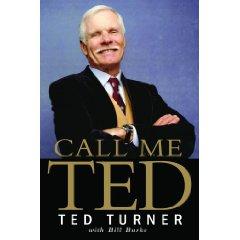
Call Me Ted
, subject: Ted Turner's autobiography and business career, 2008
Turner’s autobiography gives David examples of combining assets, recognizing a new market and protecting operating autonomy.
119
Coverage Score
12
Scored evidence
About the book
The memoir follows Turner from a difficult childhood to his media ventures, his marriage to Jane Fonda, and the losses associated with the AOL/Time Warner deal.
Why read it
Best if you want to examine how a media founder combines assets and pursues an opportunity, and how financing decisions affect control.
Key themes
- Combine assets competitors cannot match
- See opportunity before competitors
- Scrutinize complicated financing
Evidence and original sources
Sources: official Founders episodes — #327, #328, #336, #338, #351, #379
This record is supported by 14 public evidence rows linked to original Founders episodes.
- Ted Turner — David says Call Me Ted is the book he is going to discuss today; the episode's sustained main body covers it.
- Tom Murphy (Buffett's favorite manager) — David picks up the previous week’s Ted Turner autobiography and reads its account of Tom Murphy and Dan Burke while discussing The Outsiders.
- How To Lose A Few Billion Dollars: Samuel Insull — David recalls episode 327 on Ted Turner and quotes John Malone’s warning about Turner’s leverage while examining Insull’s debt.
- Monty Moncrief Texas Oil Billionaire — David briefly compares Turner’s return to his father’s billboard business, recalled from the autobiography in episode 327, with the Moncrief family story.
- The Founder of Rolex: Hans Wilsdorf — David returns to Ted Turner’s autobiography in episode 327, quoting its explanation of why existing broadcasters missed the opportunity for a 24-hour news network.
- Jerry Jones (Dallas Cowboys) — David briefly recalls episode 327 on Ted Turner’s autobiography while discussing Jerry Jones.