Reading rank 162
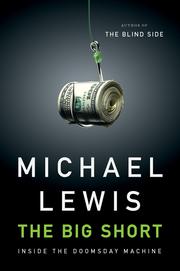
The Big Short
, subject: Subprime mortgage crisis and Wall Street risk, 2010
The Big Short takes on the 2008 financial crisis with one sharp warning: do not mistake leverage for genius.
91
Coverage Score
10
Scored evidence
About the book
Lewis explains the housing-credit boom through outsiders who investigated subprime bonds, credit-default swaps, ratings, and the incentives that kept Wall Street's machinery running until it failed.
Why read it
Best if you want to test whether an impressive financial result reflects skill or leverage, or see how a bet can be built to lose small and win big.
Key themes
- Leverage mistaken for genius
- Bets with small losses and a large upside
Evidence and original sources
Sources: official Founders episodes — #23, #29, #48, #57, #65, #68, #70, #73, #88, #177
The host calls The Big Short life-changing for how he views expert decision-making in finance.
- The New New Thing: A Silicon Valley Story — David calls The Big Short one of his favorite books, says it fundamentally changed his outlook, and recommends reading Michael Lewis.
- The HP Way: How Bill Hewlett and I Built Our Company — David calls The Big Short one of the most impactful books he has read and says it fundamentally changed his worldview.
- Finding My Virginity: The New Autobiography by Richard Branson — David says The Big Short made a fundamental difference to him and uses its lesson to frame Richard Branson's decision.
- John Bogle: Stay the Course: The Story of Vanguard and the Index Revolution — The host calls The Big Short life-changing for how he views expert decision-making in finance.
- Kirk Kerkorian: Penniless Dropout became the Greatest Deal Maker in Capitalist History — David calls The Big Short one of his favorite books and uses it to explain a leverage lesson he applies to Kerkorian's story.
- Daniel Ludwig: The Invisible Billionaire — The host names The Big Short as one of his favorite books while drawing a leverage comparison to Ludwig's Depression-era debt exposure.